
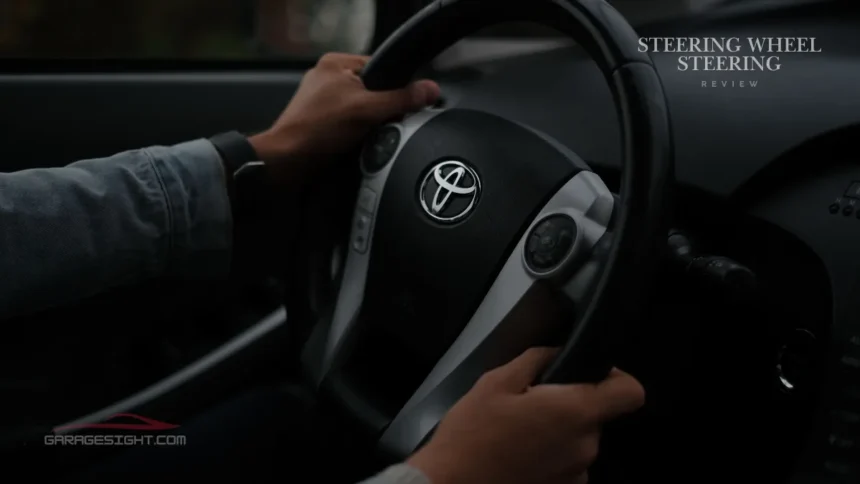
Steering wheel steering is the single most important connection between a driver and the road, and in 2026 that connection is under more pressure than ever.
A brutal heatwave, a pothole crisis, and rising repair bills are colliding at once across the UK, making it essential to understand what your steering wheel is actually doing and why it sometimes fails.
How the Steering System Works
The rack and pinion setup is simple in concept. Turning the wheel moves the column, which drives the pinion gear against a slotted rack, pushing the wheels left or right.
Steering ratios between 12:1 and 16:1 decide how sharp that response feels, while Ackerman geometry keeps the inside and outside wheels turning at slightly different angles so tyres do not scrub through corners.
Power Assisted Steering Failures and Steering Wheel Steering Costs
Electric power steering replaced hydraulic pumps with a compact motor and control module, cutting fuel waste but raising repair costs sharply.
When the integrated rack assembly fails, often from worn motor brushes or water damage getting past old seals, the whole steering wheel and motor unit usually needs replacing, with bills ranging from a few hundred pounds to well over a thousand.
Holding the Wheel Correctly
Most driving instructors now recommend the 9 and 3 hand position over the older 10 and 2 style for steering wheel steering, since it offers faster reaction times and better control during sudden corrections.
A light grip lets road feedback travel through the steering wheel naturally, while a tense death grip blocks that feedback and increases the risk of injury if the wheel kicks back over a pothole.
The Four Elements of Steering Feel
Good steering wheel steering feel comes down to feedback, ratio, weighting, and accuracy.
Hydraulic systems used by brands like Lotus and McLaren still deliver the richest road texture, while electric setups in cars like the Mazda CX-50 trade some of that texture for consistency. Worn bushings or a tired rack introduce play, which is why accuracy fades with age and mileage.
Reversing and Cornering Technique
Reversing calls for a simpler hand position, usually one hand near the top of the wheel or both hands split for tighter control, since the steering delay in reverse confuses many new drivers at first.
On bends, moving a hand toward the 1 o’clock or 11 o’clock position early, depending on the turn direction, keeps the car settled and avoids last second corrections.
Steering Beyond the Wheel
Skilled drivers use braking and throttle to help rotate the car through steering wheel steering inputs, shifting weight onto the front or rear tyres to reduce how much wheel angle is actually needed mid corner.
This is the same idea Mario Andretti referenced when he said pedals steer a car as much as the wheel does, and it is why traction control should stay on for everyday road driving.
Heatwave Damage to Steering Wheels
June 2026’s heatwave pushed cabin temperatures past 60°C, softening the leather and adhesive on many steering wheel and wraps until they felt sticky and then unexpectedly slippery.
Combined with hand sweat on long motorway drives, that softened surface genuinely reduced grip, and a simple reflective sunshade is the easiest way to stop it happening again.
Pothole Damage and Mechanical Wear
Britain’s pothole crisis is quietly wrecking tie rod ends, rack teeth, and alignment settings across thousands of cars.
A hard hit at speed can crack internal joints or bend a tie rod shaft, throwing off wheel alignment and chewing through tyres faster than normal. Releasing the brakes just before impact and slowing down are the two best ways to limit the damage.
Steering Wheel Covers and Safety
A steering wheel cover seems like an easy fix for heat damaged leather, but cheap slip on covers held only by rubber backing can rotate independently of the wheel itself during an emergency manoeuvre, which is genuinely dangerous.
Owners and mechanics agree that only a custom stitched cover sewn through the spokes is safe enough to trust, since it physically cannot spin loose.
Hydraulic vs Electric vs Steer-by-Wire
Hydraulic steering wheel steering gives the most honest road feel but drags slightly on fuel economy, while electric steering only draws power when needed and supports modern driver assistance features at the cost of some natural feedback.
Steer-by-wire removes the mechanical link entirely, simulating feedback through motors, and while it is the most advanced option it remains the most expensive to repair if anything goes wrong.
Diagnostic Signs and Prevention
A whining noise at low speed often points to a struggling pump in the steering wheel steering system, while heavy or notchy steering during normal driving suggests dry or seized joints.
Vibration between 60 and 70 mph usually means worn tie rod ends or unbalanced tyres. Avoid turning the wheel while completely stationary, since dry steering puts unnecessary strain on the rack and motor.
Aftermarket Accessories Worth Knowing
Gaming setups have brought steering hardware into everyday conversation too, with a logitech steering wheel or a ps5 steering wheel now common in many UK households for racing simulators.
On the security side, a steering wheel lock remains one of the simplest deterrents against theft, and choosing the best steering wheel lock usually comes down to how visible and bulky the bar is when fitted across the wheel steering wheel housing.
Final Thoughts
Looking after steering wheel steering health does not need to be complicated. Watch for early warning signs, protect the cabin from extreme heat, slow down for potholes, and choose accessories that actually improve safety rather than undermine it.
A little attention now saves a lot of money and stress later, especially as UK roads and summers both keep getting harder on every steering wheel and the system behind it.
FAQs about Steering Wheel Steering
How does a steering wheel steer?
In steering wheel steering, turning the wheel moves the column which drives the pinion gear against the rack, pushing the wheels left or right.
Is it steering or steering?
It’s called steering wheel steering because the wheel is the driver’s input point while “steering” refers to the full rack-and-pinion (or steer-by-wire) system that turns the tyres.
What are two types of steering?
The two main types of steering wheel steering are hydraulic, which gives richer road feedback, and electric, which is more fuel-efficient and supports driver-assistance features.
What is the steering wheel?
The steering wheel is the driver-facing control that powers steering wheel steering, transmitting hand input through the column to turn the wheels via the rack and pinion