
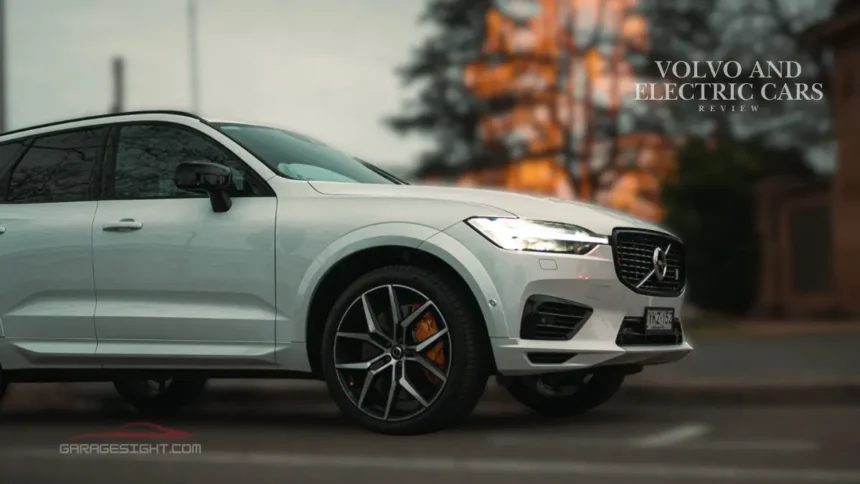
Volvo and electric cars have become inseparable in 2026, as the brand’s redesigned EV lineup blends Scandinavian design with real-world savings.
UK buyers are moving fast toward electrification, and Volvo’s premium SUVs are leading that shift with confidence, safety, and everyday practicality built in.
Volvo and Electric Cars
Volvo’s electric lineup covers the tiny EX30, household friendly EX40 and EC40, smart EX60, plus premier EX90. The EX30 opens near £29,995 with a 211 mile reach, though users report winter drops and a tricky display layout for basic setups.
Charging and Range
Charging feels easier now thanks to Android Automotive with Google Gemini voice support and new Tesla Supercharger access across the UK.
Since Volvo and electric cars in general increasingly depend on this fast growing network. A DC fast charger reaches 80 percent in half an hour, while a home outlet takes about eight hours for a full charge.
Safety Remains Volvo’s Signature
Even with software quirks elsewhere, this blend of Volvo and electric cars safety technology holds strong.
One EX30 owner in Warwickshire avoided a head on collision thanks to automatic braking and steering assist, crediting the seatbelt and sensor systems for keeping everyone unharmed on a narrow country road.
A UK Specific Touch
Hay fever affects nearly a third of UK drivers enough to cause sneezing and momentary discomfort behind the wheel. Volvo’s cabin filter targets PM2.5 particles and removes almost all pollen, offering a small but genuinely welcome relief during the British summer driving season.
How Volvo Compares to Rivals
Priced between £29,995 and £52,000, Volvo’s EX30 and EX60 sit close to the Tesla Model Y and BMW iX2 on cost, though range varies more with winter weather.
Volvo and electric cars from these rivals share similar company car tax bands, but each has its own weak point, from tight rear seats to laggy software menus.
Buying Direct and Depreciation Concerns
Volvo’s direct to consumer sales model cuts standard dealer haggling, allowing buyers to build and order online at a locked cost.
Value drops still bother private buyers though, because Volvo and electric cars generally keep facing resale worth drops once that eight year battery contract ends, making short leasing deals more popular.
Everyday Benefits of Going Electric
Switching to electric power cuts fuel stops almost entirely and lowers long term maintenance, since there are fewer moving parts than in a traditional engine.
This is one reason Volvo and electric cars overall are gaining steady popularity, and the EX40 reaches 60 mph in just 4.6 seconds.
Plug-In Hybrids for the Not Quite Ready
For drivers hesitant about full electrification, Volvo’s plug in hybrids offer a comfortable middle ground, and fans of Volvo and electric cars alike often appreciate this flexibility.
The T8 AWD system pairs a turbocharged engine with a battery for 455 horsepower, while the XC90 hybrid still returns strong combined fuel economy.
A Real Story of Trading a Classic for an EV
An elderly Suffolk couple recently swapped their 1965 Volvo Amazon, owned since 1980, for a brand new EC40.
The Amazon once carried the first three point seatbelt, and the EC40 continues that safety legacy while the beloved classic joins Volvo’s heritage fleet for restoration.
Frequently Asked Questions
Have Volvo stopped making electric cars?
No, Volvo’s electric lineup is active and expanding, covering the EX30, EX40, EC40, EX60 and EX90.
What electric cars does Volvo do?
The EX30, EX40, EC40, EX60 and EX90, alongside plug-in hybrid options like the XC60 and XC90.
What electric car brand is under Volvo?
Volvo itself is the electric brand here, the lineup spans EX30 through EX90, all under the Volvo name.
Is Volvo now Chinese owned?
Volvo Cars is owned by Geely, a Chinese automotive group.